“Earth provides enough to satisfy every man’s needs,but not every man’s greed”
-Mahatma Gandhi
What are Environmental Issues?
Environmental issues are harmful effects of human activity on the biophysical environment. Environmental protection is a practice of protecting the natural environment on individual, organizational or governmental levels, for the benefit of both the environment and humans. Environmentalism, a social and environmental movement, addresses environmental issues through advocacy, education and activism.
The carbon dioxide equivalent of greenhouse gases(GHG) in the atmosphere has already exceeded 400 parts per million (NOAA) (with total “long-term” GHG exceeding 455 parts per million) (Intergovernmental Panel on Climate Report). The amount of greenhouse gas in the atmosphere is possibly above the threshold that can potentially cause climate change. The UN Office for the Coordination of Humanitarian Affairs (OCHA) has stated “Climate change is not just a distant future threat. It is the main driver behind rising humanitarian needs and we are seeing its impact. The number of people affected and the damages inflicted by extreme weather has been unprecedented.”[2] Further, OCHA has stated:
Climate disasters are on the rise. Around 70 percent of disasters are now climate related – up from around 50 percent from two decades ago.
These disasters take a heavier human toll and come with a higher price tag. In the last decade, 2.4 billion people were affected by climate related disasters, compared to 1.7 billion in the previous decade. The cost of responding to disasters has risen tenfold between 1992 and 2008.
Destructive sudden heavy rains, intense tropical storms, repeated flooding and droughts are likely to increase, as will the vulnerability of local communities in the absence of strong concerted action.
Environment destruction caused by humans is a global problem, and this is a problem that is on going every day. By year 2050, the global human population is expected to grow by 2 billion people, thereby reaching a level of 9.6 billion people (Living Blue Planet 24).[4] The human effects on Earth can be seen in many different ways. A main one is the temperature rise, and according to the report ”Our Changing Climate”, the global warming that has been going on for the past 50 years is primarily due to human activities (Walsh, et al. 20). Since 1895, the U.S. average temperature has increased from 1.3 °F to 1.9 °F, with most of the increase taken place since around year 1970 (Walsh, et al. 20).
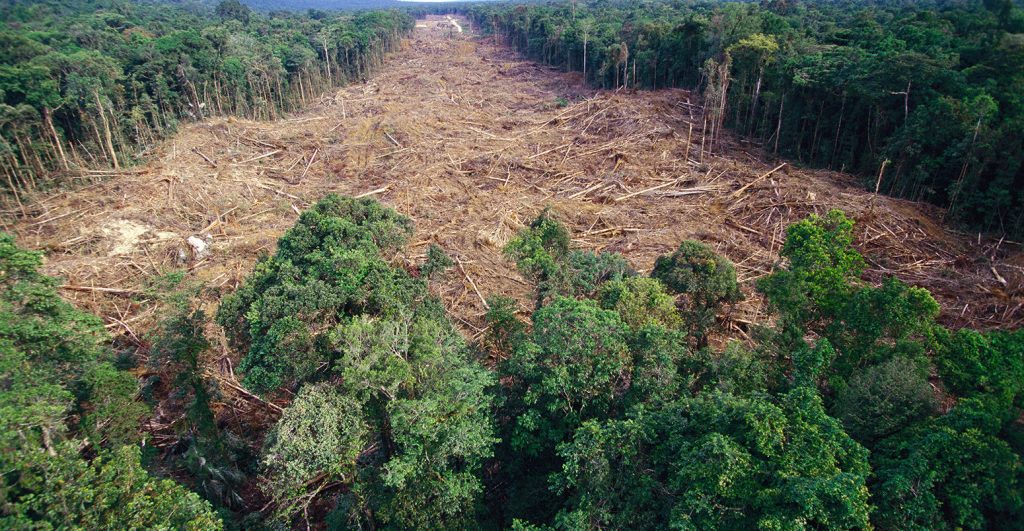
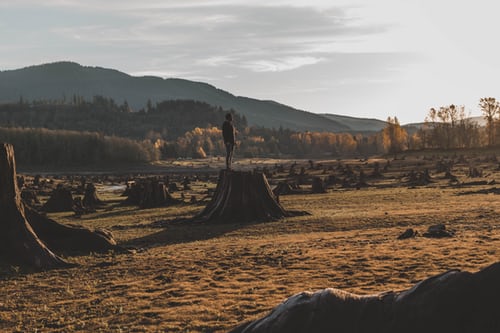
Deforestation is the permanent removal of trees to make room for something besides forest. This can include clearing the land for agriculture or grazing, or using the timber for fuel, construction or manufacturing.
Forests cover more than 30% of the Earth’s land surface, according to the World Wildlife Fund. These forested areas can provide food, medicine and fuel for more than a billion people. Worldwide, forests provide 13.4 million people with jobs in the forest sector, and another 41 million people have jobs related to forests.
Forests are a resource, but they are also large, undeveloped swaths of land that can be converted for purposes such as agriculture and grazing. In North America, about half the forests in the eastern part of the continent were cut down for timber and farming between the 1600s and late 1800s, according to National Geographic.
Today, most deforestation is happening in the tropics. Areas that were inaccessible in the past are now within reach as new roads are constructed through the dense forests. A 2017 report by scientists at the University of Maryland showed that the tropics lost about 61,000 square miles (158,000 square kilometers) of forest in 2017 — an area the size of Bangladesh.Deforestation: Facts, Causes & EffectsVolume 0%PLAY SOUND
Reasons forests are destroyed
The World Bank estimates that about 3.9 million square miles (10 million square km) of forest have been lost since the beginning of the 20th century. In the past 25 years, forests shrank by 502,000 square miles (1.3 million square km) — an area bigger than the size of South Africa. In 2018, The Guardian reported that every second, a chunk of forest equivalent to the size of a soccer field is lost.
Often, deforestation occurs when forested area is cut and cleared to make way for agriculture or grazing. The Union of Concerned Scientists (UCS) reports that just four commodities are responsible for tropical deforestation: beef, soy, palm oil and wood products. UCS estimates that an area the size of Switzerland (14,800 square miles, or 38,300 square km) is lost to deforestation every year.
Natural fires in tropical forests tend to be rare but intense. Human-lit fires are commonly used to clear land for agricultural use. First, valuable timber is harvested, then the remaining vegetation is burned to make way for crops like soy or cattle grazing. In 2019, the number of human-lit fires in Brazil skyrocketed. As of August 2019, more than 80,000 fires burned in the Amazon, an increase of almost 80% from 2018, National Geographic reported.
Many forests are cleared to make way for palm oil plantations. Palm oil is the most commonly produced vegetable oil and is found in half of all supermarket products. It’s cheap, versatile and can be added to both food and personal products like lipsticks and shampoo. Its popularity has spurred people to clear tropical forests to grow more palm trees. Growing the trees that produce the oil requires the leveling of native forest and the destruction of local peatlands — which doubles the harmful effect on the ecosystem. According to a report published by Zion Market Research, the global palm oil market was valued at $65.73 billion in 2015 and is expected to reach $92.84 billion in 2021.
A palm tree farm planted where there was once a rainforest. (Image credit: Shutterstock)
Effects of deforestation
Forests can be found from the tropics to high-latitude areas. They are home to 80% of terrestrial biodiversity, containing a wide array of trees, plants, animals and microbes, according to the World Bank, an international financial institution. Some places are especially diverse — the tropical forests of New Guinea, for example, contain more than 6% of the world’s species of plants and animals.
Forests provide more than a home for a diverse collection of living things; they are also an important resource for many around the world. In countries like Uganda, people rely on trees for firewood, timber and charcoal. Over the past 25 years, Uganda has lost 63% of its forest cover, Reuters reported. Families send children — primarily girls — to collect firewood, and kids have to trek farther and farther to get to the trees. Collecting enough wood often takes all day, so the children miss school.
According to a 2018 FAO report, three-quarters of the Earth’s freshwater comes from forested watersheds, and the loss of trees can affect water quality. The UN’s 2018 State of the World’s Forests report found that over half the global population relies on forested watersheds for their drinking water as well as water used for agriculture and industry.
Deforestation in tropical regions can also affect the way water vapor is produced over the canopy, which causes reduced rainfall. A 2019 study published in the journal Ecohydrology showed that parts of the Amazon rainforest that were converted to agricultural land had higher soil and air temperatures, which can exacerbate drought conditions. In comparison, forested land had rates of evapotranspiration that were about three times higher, adding more water vapor to the air.
Trees also absorb carbon dioxide, mitigating greenhouse gas emissions produced by human activity. As climate change continues, trees play an important role in carbon sequestration, or the capture and storage of excess carbon dioxide. Tropical trees alone are estimated to provide about 23% of the climate mitigation that’s needed to offset climate change, according to the World Resources Institute, a nonprofit global research institute.
Deforestation not only removes vegetation that is important for removing carbon dioxide from the air, but the act of clearing the forests also produces greenhouse gas emissions. The Food and Agriculture Organization of the United Nations says that deforestation is the second-leading cause of climate change. (The first is the burning of fossil fuels.) In fact, deforestation accounts for nearly 20% of greenhouse gas emissions.
Deforestation solutions
Developing alternatives to deforestation can help decrease the need for tree clearing. For example, the desire to expand the amount of land used for agriculture is an attractive reason to deforest an area. But if people adopted sustainable farming practices or employed new farming technologies and crops, the need for more land might be diminished, according to the UN’s Sustainable Forest Management Toolbox.
Forests can also be restored, through replanting trees in cleared areas or simply allowing the forest ecosystem to regenerate over time. The goal of restoration is to return the forest to its original state, before it was cleared, according to the U.S. Forest Service. The sooner a cleared area is reforested, the quicker the ecosystem can start to repair itself. Afterward, wildlife will return, water systems will reestablish, carbon will be sequestered and soils will be replenished.
Everyone can do their part to curb deforestation. We can buy certified wood products, go paperless whenever possible, limit our consumption of products that use palm oil and plant a tree when possible.
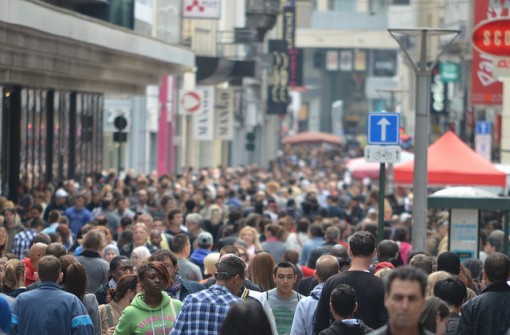
Overpopulation is an undesirable condition where the number of existing human population exceeds the carrying capacity of Earth. Overpopulation is caused by number of factors. Reduced mortality rate, better medical facilities, depletion of precious resources are few of the causes which results in overpopulation. It is possible for a sparsely populated area to become densely populated if it is not able to sustain life.
Overpopulation is a major cause of most of the world’s problems. Whether it is a question of food shortage, lack of drinking water or energy shortages, every country in the world is affected by it – or will be.
Partly thanks to the import of goods from abroad, any particular country is able to maintain its own welfare. But this cannot go on in an unlimited way. In fact, the number of inhabitants is rising in every country. The world population is threatening to rise in the next few decades to 8 or 10 billion. There is a good chance that more and more countries will need their own products themselves.
Our planet can offer a quality of life comparable to that enjoyed in the European Union to no more than 2 billion people. With a population of 8 to 10 billion, welfare per person on a world scale will drop to that of a poor farmer who can scarcely provide sufficient food for himself and knows nothing of welfare. And thus we will have to share everything fairly in order to avoid disputes or war.
Growing advances in technology with each coming year has affected humanity in many ways. One of these has been the ability to save lives and create better medical treatment for all. A direct result of this has been increased lifespan and the growth of the population. In the past fifty or so years, the growth of population has boomed and has turned into overpopulation. In the history of our species, the birth and death rate have always been able to balance each and maintain a population growth rate that is sustainable.
Since the time of the Bubonic Plague in the 1400’s, the growth of population has been on a constant increase. Between the time of the plague and the 21st century, there was been hundreds and thousands of wars, natural calamities and man-made hazards. However, none of these have made a dent on the population. Developing nations face the problem of overpopulation more than developed countries, but it affects most of the Earth as of now. When we are talking about overpopulation, we should first understand the causes of it.
Causes of Overpopulation
Decline in the Death Rate: At the root of overpopulation is the difference between the overall birth rate and death rate in populations. If the number of children born each year equals the number of adults that die, then the population will stabilize. Talking about overpopulation shows that while there are many factors that can increase the death rate for short periods of time, the ones that increase the birth rate do so over a long period of time. The discovery of agriculture by our ancestors was one factor that provided them with the ability to sustain their nutrition without hunting. This created the first imbalance between the two rates.
Better Medical Facilities: Following this came the industrial revolution. Technological advancement was perhaps the biggest reason why the balance has been permanently disturbed. Science was able to produce better means of producing food, which allowed families to feed more mouths. Medical science made many discoveries thanks to which they were able to defeat a whole range of diseases. Illnesses that had claimed thousands of lives till now were cured because of the invention of vaccines. Combining the increase in food supply with fewer means of mortality tipped the balance and became the starting point of overpopulation.
More Hands to Overcome Poverty: However, when talking about overpopulation we should understand that there is a psychological component as well. For thousands of years, a very small part of the population had enough money to live in comfort. The rest faced poverty and would give birth to large families to make up for the high infant mortality rate. Families that have been through poverty, natural disasters or are simply in need of more hands to work are a major factor for overpopulation. As compared to earlier times, most of these extra children survive and consume resources that are not sufficient in nature.
Technological Advancement in Fertility Treatment: With latest technological advancement and more discoveries in medical science, it has become possible for couple who are unable to conceive to undergo fertility treatment methods and have their own babies. Today there are effective medicines which can increases the chance of conception and lead to rise in birth rate. Moreover, due to modern techniques pregnancies today are far more safer.
Immigration: Many people prefer to move to developed countries like US, UK, Canada and Australia where best facilities are available in terms of medical, education, security and employment. The end result is that those people settle over there and those places become overcrowded. Difference between the number of people who are leaving the country and the number of people who enter narrows down which leads to more demand for food, clothes, energy and homes. This gives rise to shortage of resources. Though the overall population remains the same, it just affects the density of population making that place simply overcrowded.
Lack of Family Planning: Most developing nations have large number of people who are illiterate, live below the poverty line and have little or no knowledge about family planning. Getting their children married at an early age increase the chances of producing more kids. Those people are unable to understand the harmful effects of overpopulation and lack of quality education prompts them to avoid family planning measures.
Effects of Overpopulation
Depletion of Natural Resources: The effects of overpopulation are quite severe. The first of these is the depletion of resources. The Earth can only produce a limited amount of water and food, which is falling short of the current needs. Most of the environmental damage being seen in the last fifty odd years is because of the growing number of people on the planet. They are cutting down forests, hunting wildlife in a reckless manner, causing pollution and creating a host of problems. Those engaged in talking about overpopulation have noticed that acts of violence and aggression outside of a war zone have increased tremendously while competing for resources.
Degradation of Environment: With the overuse of coal, oil and natural gas, it has started producing some serious effects on our environment. Rise in the number of vehicles and industries have badly affected the quality of air. Rise in amount of CO2 emissions leads to global warming. Melting of polar ice caps, changing climate patterns, rise in sea level are few of the consequences that we might we have to face due to environment pollution.
Conflicts and Wars: Overpopulation in developing countries puts a major strain on the resources it should be utilizing for development. Conflicts over water are becoming a source of tension between countries, which could result in wars. It causes more diseases to spread and makes them harder to control. Starvation is a huge issue facing the world and the mortality rate for children is being fuelled by it. Poverty is the biggest hallmark we see when talking about overpopulation. All of this will only become worse if solutions are not sought out for the factors affecting our population. We can no longer prevent it, but there are ways to control it.
Rise in Unemployment: When a country becomes overpopulated, it gives rise to unemployment as there fewer jobs to support large number of people. Rise in unemployment gives rise to crime as people will steal various items to feed their family and provide them basic amenities of life.
High Cost of Living: As difference between demand and supply continues to expand due to overpopulation, it raises the prices of various commodities including food, shelter and healthcare. This means that people have to pay more to survive and feed their families.
Solutions to Overpopulation
Better Education: One of the first measures is to implement policies reflecting social change. Educating the masses helps them understand the need to have one or two children at the most. Similarly, education plays a vital role in understanding latest technologies like CloudDesktopOnline that are making huge waves in the world of computing. Families that are facing a hard life and choose to have four or five children should be discouraged. Family planning and efficient birth control can help in women making their own reproductive choices. Open dialogue on abortion and voluntary sterilization should be seen when talking about overpopulation.
Making People Aware of Family Planning: As population of this world is growing at a rapid pace, raising awareness among people regarding family planning and letting them know about serious after effects of overpopulation can help curb population growth. One of the best way is to let them know about various safe sex techniques and contraceptives methods available to avoid any unwanted pregnancy.
Tax Benefits or Concessions: Government of various countries might have to come with various policies related to tax exemptions to curb overpopulation. One of them might be to waive of certain part of income tax or lowering rates of income tax for those married couples who have single or two children. As we humans are more inclined towards money, this may produce some positive results.
Knowledge of Sex Education: Imparting sex education to young kids at elementary level should be must. Most parents feel shy in discussing such things with their kids which result in their children going out and look out for such information on internet or discuss it with their peers. Mostly, the information is incomplete which results in sexually active teenagers unaware of contraceptives and embarrassed to seek information about same. It is therefore important for parents and teachers to shed their old inhibitions and make their kids or students aware of solid sex education.
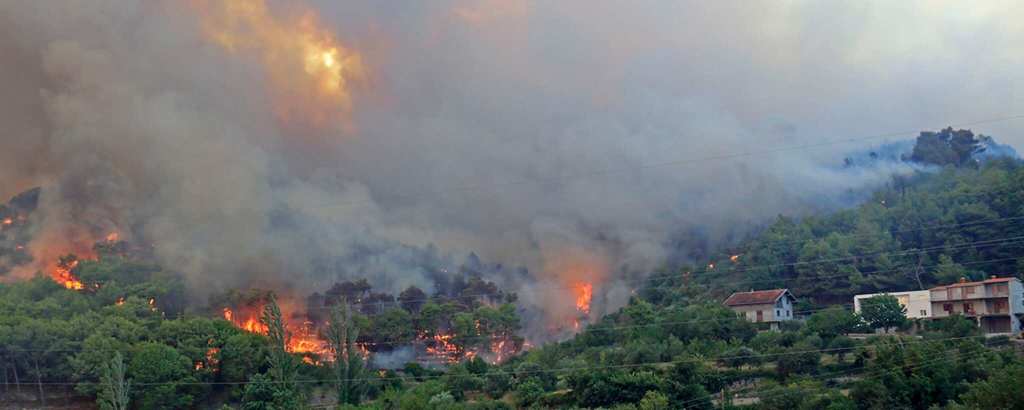
WHAT IS A WILDFIRE? – It is a sweeping and destructive conflagration especially in a wilderness or rural area.
HOW DO THEY START?
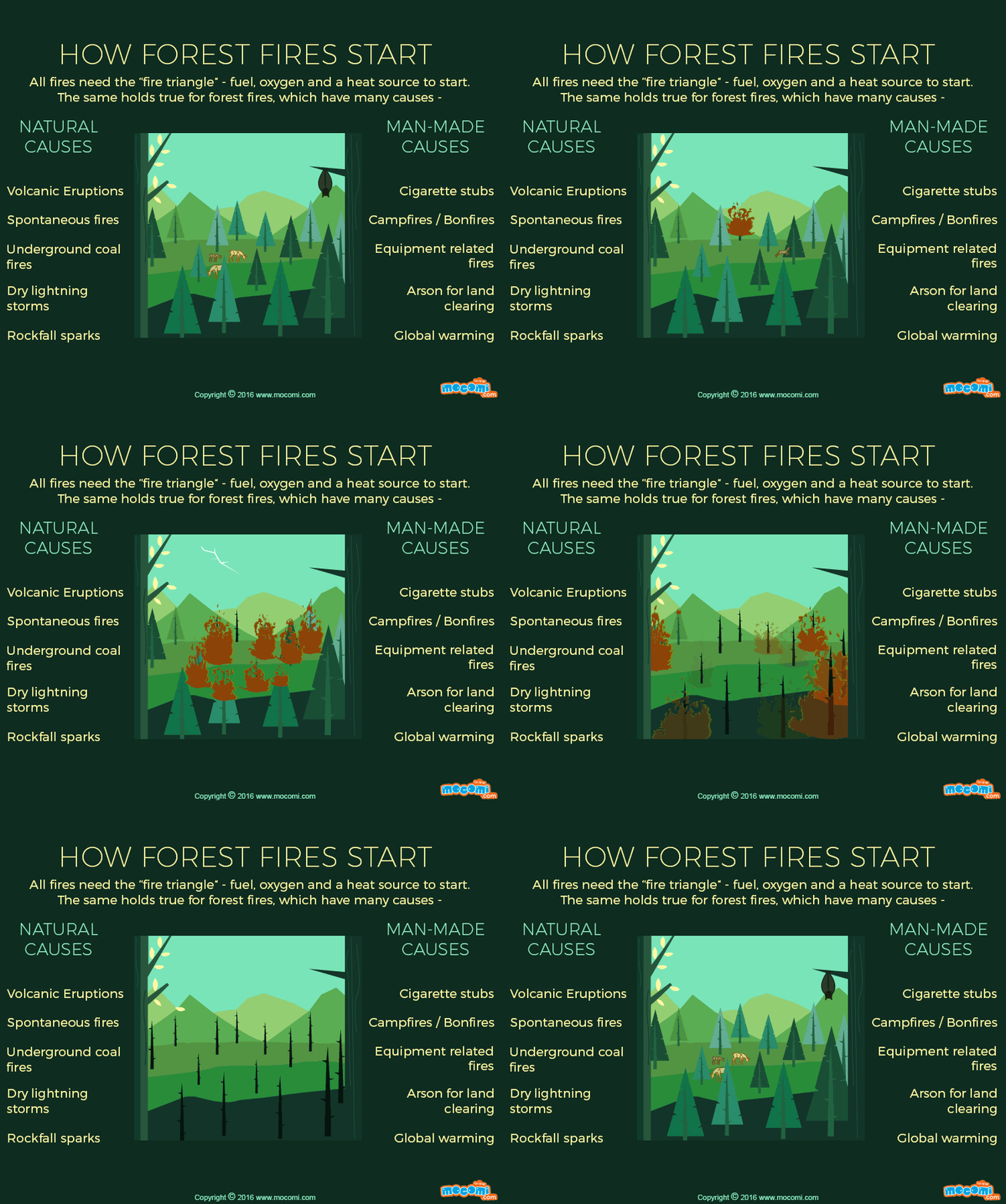
Forest fires start whether through natural causes or causes done by man. Natural fires are commenced by lightning, and random combustion of dry materials. Human-caused wildfires are started through careless disposal of minimally lit cigarette butts, recreation, equipment that may involve flame, and miscellaneous. Wildfires caused by mankind have higher rates of occurrences compared to natural ones. However, natural wildfires have greater damage and burn out a larger span of perimeter in certain areas. This is because human-caused wildfires are noticed right away and are easily contained. Natural fires, on the other hand, are detected during the latter moments of the catastrophe, already devouring massive amounts of areas.
THE EFFECTS OF WILDFIRES:
* Wildfires have various effects, but I’ve only chosen five (5) of them that have majorly affected the environment.
1. Wildfires can destroy an entire ecosystem. It is capable of deteriorating a massive area including its inhabitants (whether flora, fauna, or mankind), and the various infrastructures located within that area.
2. Soils lose their nutrients. When a wildfire occurs, all the nutrients the soils possess are disintegrated and are gone for good.
3. Animals lose their lives. Wildfires tend to burn and kill innocent animals inhabiting the area where it occurred.
4. Too much water in the soil causes erosion. Firefighters who attempt to contain the massive fires tend to utilized enormous amounts of water which may destroy the land and cause soil erosion.
5. Ash and smoke can cause serious health issues. The rubble brought by the aftermath of wildfires are a great concern and threat to those who have medical problems, especially in the lungs.
WAYS TO PREVENT A WILDFIRE:
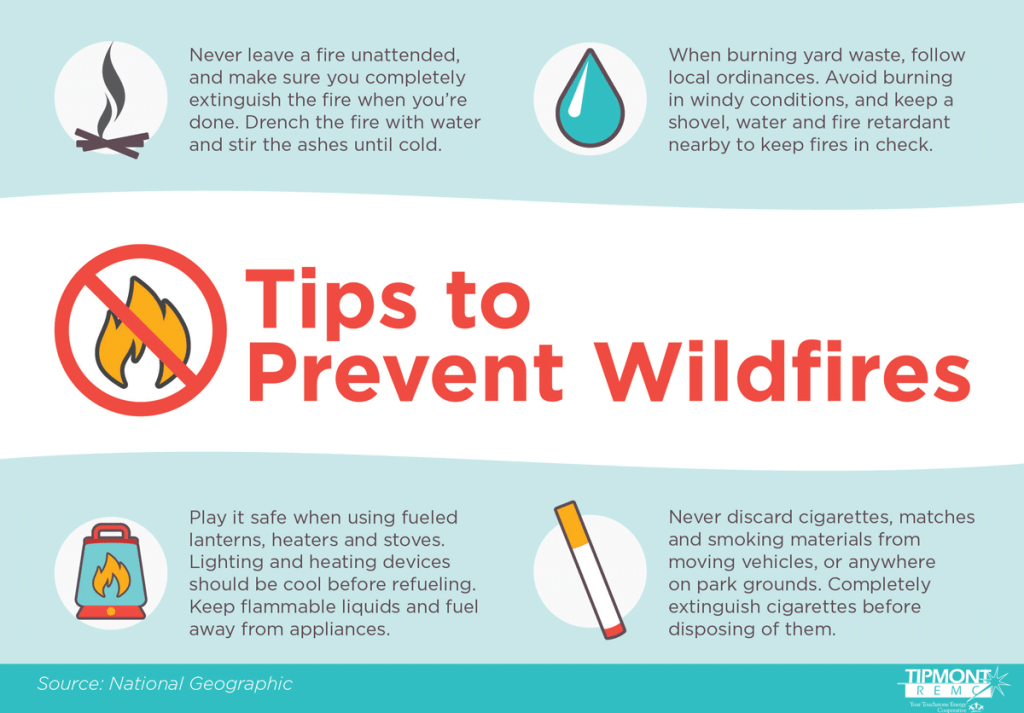
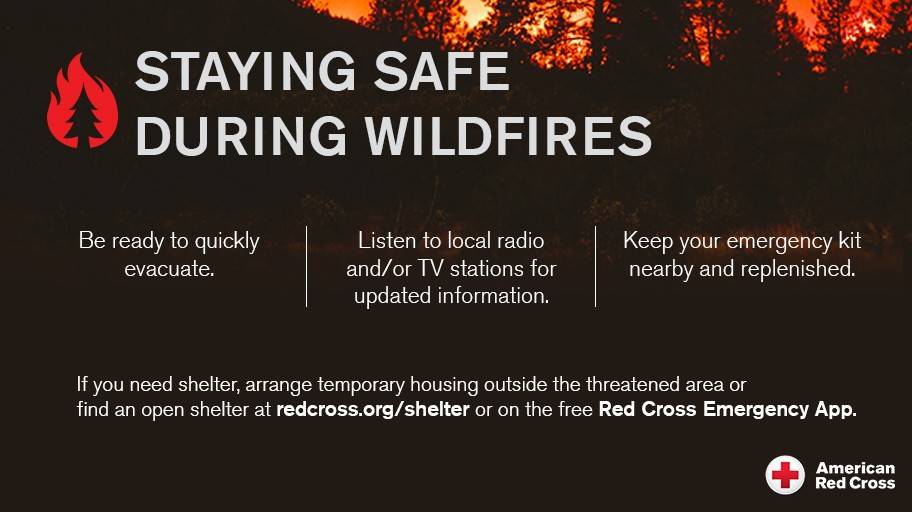
* Contact 911 or the designated emergency number for the area you are located in. * Never leave a fire unattended. * Beware of using contraptions that may cause fires (e.g. fueling lanterns, stoves, and heaters). * Be careful in disposing of cigarettes, matches, and smoking materials. * Follow the local ordinances when burning yard waste.
EVACUATION TIPS:
* If advised to evacuate by the local authority, do so immediately. * Be aware of the evacuation route ahead of time in case wildfires occur spontaneously. * Prepare emergency supplies and protective clothing to reduce harm from random sparks, flames, and ashes.
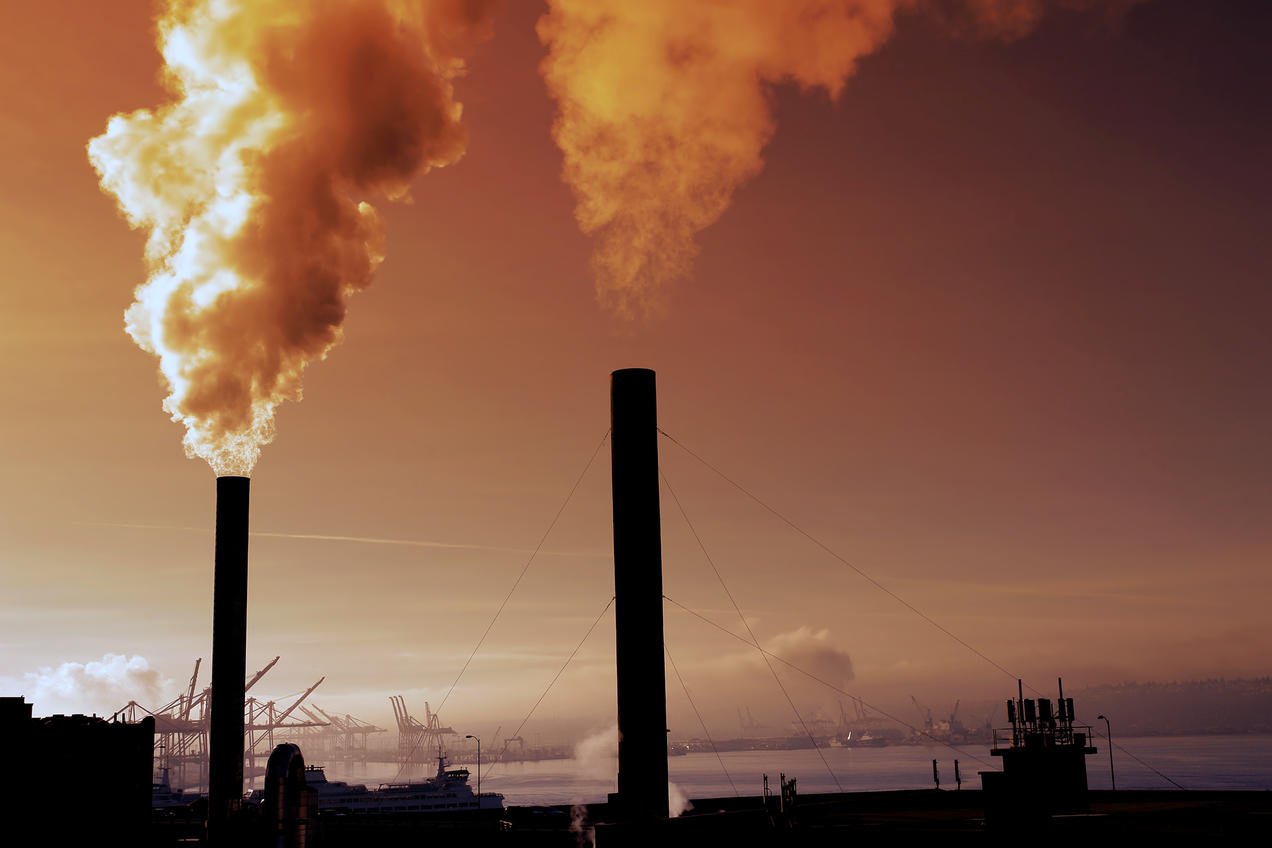
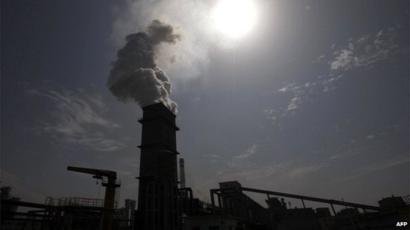
Air pollution is a mixture of solid particles and gases in the air. Car emissions, chemicals from factories, dust, pollen and mold spores may be suspended as particles.Ozone, a gas, is a major part of air pollution in cities. When ozone forms air pollution, it’s also called smog.
Some air pollutants are poisonous. Inhaling them can increase the chance you’ll have health problems. People with heart or lung disease, older adults and children are at greater risk from air pollution. Air pollution isn’t just outside – theair insidebuildings can also be polluted and affect your health.
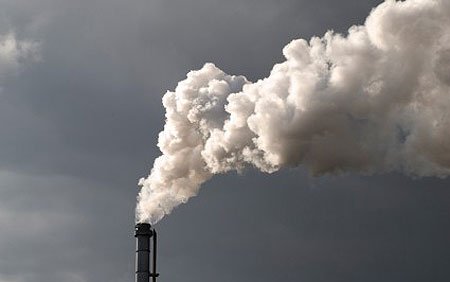
Air pollution refers to the release of pollutants into the air that are detrimental to human health and the planet as a whole.
The Clean Air Act authorizes the U.S. Environmental Protection Agency (EPA) to protect public health by regulating the emissions of these harmful air pollutants. The NRDC has been a leading authority on this law since it was established in 1970.
Air pollution kills an estimated seven million people worldwide every year. WHO data shows that 9 out of 10 people breathe air containing high levels ofpollutants. WHO is working with countries to monitor air pollution and improve air quality.
From smog hanging over cities to smoke inside the home, air pollution poses a majorthreat to healthand climate. The combined effects of ambient (outdoor) and household air pollution cause about seven million premature deaths every year, largely as a result of increased mortality from stroke, heart disease, chronic obstructive pulmonary disease, lung cancer and acute respiratory infections.
More than 80% of people living in urban areas that monitor air pollution are exposed to air quality levels that exceed WHO guideline limits, with low- and middle-income countries suffering from the highest exposures, both indoors and outdoors.
What Causes Air Pollution?
“Most air pollution comes from energy use and production,” saysJohn Walke, director of the Clean Air Project, part of theClimate and Clean Air programat NRDC. “Burning fossil fuels releases gases and chemicals into the air.” And in an especially destructive feedback loop, air pollution not only contributes to climate change but is also exacerbated by it. “Air pollution in the form of carbon dioxide and methane raises the earth’s temperature,” Walke says. “Another type of air pollution is then worsened by that increased heat: Smog forms when the weather is warmer and there’s more ultraviolet radiation.” Climate change also increases the production of allergenic air pollutants including mold (thanks to damp conditions caused by extreme weather and increased flooding) and pollen (due to a longer pollen season and more pollen production).
What are the effects of air pollution?
Encyclopedic entry. Air pollution consists of chemicals or particles in the air that can harm the health of humans, animals, and plants. It also damages buildings.
A variety of air pollutants have known or suspected harmful effects on human health and the environment. In most areas of Europe, these pollutants are principally the products of combustion from space heating, power generation or from motor vehicle traffic. Pollutants from these sources may not only prove a problem in the immediate vicinity of these sources but can travel long distances.
“While we’ve made progress over the last 40-plus years improving air quality in the U.S. thanks to the Clean Air Act, climate change will make it harder in the future to meet pollution standards, which are designed to protect health,” saysKim Knowlton, senior scientist and deputy director of theNRDC Science Center.
SMOG AND SOOT
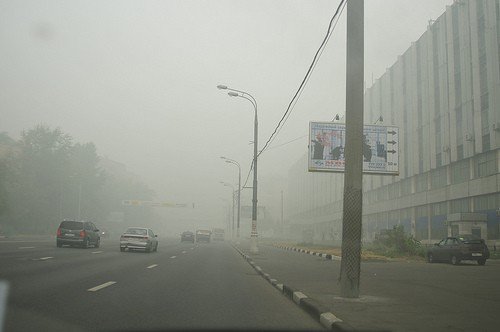
These two are the most prevalent types of air pollution. Smog, or “ground-level ozone,” as it is more wonkily called, occurs when emissions from combusting fossil fuels react with sunlight. Soot, or “particulate matter,” is made up of tiny particles of chemicals, soil, smoke, dust, or allergens, in the form of gas or solids, that are carried in the air. The EPA’s “Plain English Guide to the Clean Air Act” states, “In many parts of the United States, pollution has reduced the distance and clarity of what we see by 70 percent.” The sources of smog and soot are similar. “Both come from cars and trucks, factories, power plants, incinerators, engines—anything that combusts fossil fuels such as coal, gas, or natural gas,” Walke says. The tiniest airborne particles in soot—whether they’re in the form of gas or solids—are especially dangerous because they can penetrate the lungs and bloodstream and worsen bronchitis, lead to heart attacks, and even hasten death.
Smog can irritate the eyes and throat and also damage the lungs—especially of people who work or exercise outside, children, and senior citizens. It’s even worse for people who have asthma or allergies—these extra pollutants only intensify their symptoms and can trigger asthma attacks.
Hazardous air pollutants
These are either deadly or have severe health risks even in small amounts. Almost 200 are regulated by law; some of the most common are mercury, lead, dioxins, and benzene. “These are also most often emitted during gas or coal combustion, incinerating, or in the case of benzene, found in gasoline,” Walke says. Benzene, classified as a carcinogen by the EPA, can cause eye, skin, and lung irritation in the short term and blood disorders in the long term. Dioxins, more typically found in food but also present in small amounts in the air, can affect the liver in the short term and harm the immune, nervous, and endocrine systems, as well as reproductive functions. Lead in large amounts can damage children’s brains and kidneys, and even in small amounts it can affect children’s IQ and ability to learn. Mercury affects the central nervous system.
Polycyclic aromatic hydrocarbons, or PAHs, are toxic components of traffic exhaust and wildfire smoke. In large amounts, they have been linked to eye and lung irritation, blood and liver issues, and even cancer. In one recent study, the children of mothers who’d had higher PAH exposure during pregnancy had slower brain processing speeds and worse symptoms of ADHD.
Greenhouse gases
By trapping the earth’s heat in the atmosphere, greenhouse gases lead to warmer temperatures and all the hallmarks of climate change: rising sea levels, more extreme weather, heat-related deaths, and increasing transmission of infectious diseases like Lyme. According to a 2014 EPA study, carbon dioxide was responsible for 81 percent of the country’s total greenhouse gas emissions, and methane made up 11 percent. “Carbon dioxide comes from combusting fossil fuels, and methane comes from natural and industrial sources, including the large amounts that are released during oil and gas drilling,” Walke says. “We emit far larger amounts of carbon dioxide, but methane is significantly more potent, so it’s also very destructive.” Another class of greenhouse gases, hydrofluorocarbons (HFCs), are thousands of times more powerful than carbon dioxide in their ability to trap heat. In October 2016, more than 140 countries reached an agreement to reduce the use of these chemicals—which are used in air conditioners and refrigerators—and find greener alternatives over time. David Doniger, director of NRDC’s Climate and Clean Air program, writes, “NRDC estimates that the agreed HFC phase-down will avoid the equivalent of more than 80 billion tons of CO2over the next 35 years.”
Pollen and mold
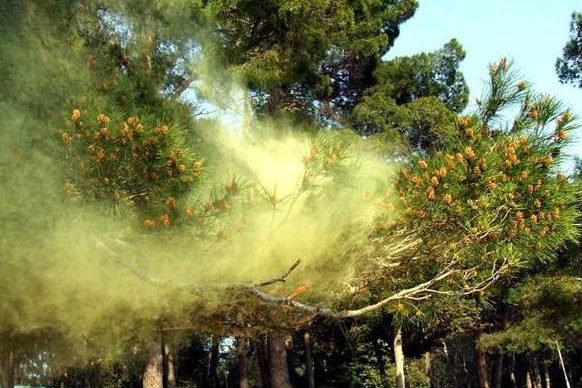
Mold and allergens from trees, weeds, and grass are also carried in the air, are exacerbated by climate change, and can be hazardous to health. They are not regulated by the government and are less directly connected to human actions, but they can be considered air pollution. “When homes, schools, or businesses get water damage, mold can grow and can produce allergenic airborne pollutants,” Knowlton says. “Mold exposure can precipitate asthma attacks or an allergic response, and some molds can even produce toxins that would be dangerous for anyone to inhale.”
Pollen allergies are worsening because of climate change. “Lab and field studies are showing that the more carbon dioxide pollen-producing plants—especially ragweed—are grown in, the bigger they grow and the more pollen they produce,” Knowlton says. “Climate change also extends the pollen production season, and some studies are beginning to suggest that ragweed pollen itself might be becoming a more potent allergen.” That means more people will suffer runny noses, fevers, itchy eyes, and other symptoms.
How to Help Reduce Air Pollution
“The less gasoline we burn, the better we’re doing to reduce air pollution and harmful effects of climate change,” Walke says. “Make good choices about transportation. When you can, walk, ride a bike, or take public transportation. For driving, choose cars that get better miles per gallon of gas or choose an electric car.” You can also investigate your power provider options—you may be able to request that your electricity be supplied by wind or solar. Buying your food locally cuts down on the fossil fuels burned in trucking or flying food in from across the country. And perhaps most important, “Support leaders who push for clean air and water and responsible steps on climate change,” Walke says.
How to prevent Air Pollution in your home?
17 Simple Ways to Prevent Air Pollution in Your Home
Best ways to fight indoor air pollution When you think of air pollution, you most likely don’t conjure up images of the inside of your home or office. But because we spend so much time indoors — especially in colder weather — keeping the air quality as clean as possible in your home, car and workplace is important for your health.
And, unfortunately, we bring most of those pollutants indoors ourselves.
Cigarette smoke
Experts say that one of the most common indoor air pollutants is cigarette smoke.
“The residual gas and particles from cigarette smoke that settle … [do] pose health hazards, particularly in rooms with a lot of fabric or carpeting,” says pulmonologist Sumita Khatri, MD.
She says the risks are disproportionately high in children, who are more likely to be playing on the ground, and in people with chronic heart and lung problems.
“We all have heard of second-hand smoke; this is called third-hand smoke.”
Household cleaners
Household cleaning supplies are another common cause of indoor pollution. Harsh chemicals that give off fumes can irritate your nose, mouth and lungs, as well as your skin.
“Those with sensitive lungs and upper airways, like people with asthma and chronic sinusitis, may notice their symptoms getting worse,” Dr. Khatri says.
The fumes can cause inflammation that can make it more difficult for people with chronic lung conditions to heal from infections. It can also worsen inflammation due to other triggers, such as allergies.
Dr. Khatri recommends using natural cleaning supplies and elbow grease to minimize risks.
Other indoor pollutants that exacerbate asthma or other chronic lung conditions include:
Particulates from candles and incense
Irritating perfumes
Odors from harsh household cleaners
Craft and office supplies, such as paints, glues and toner ink
Fumes from dry cleaned garments (many solvents used are carcinogenic)
Allergens, such as mold, pollen, pet dander and dust mites
Wood-burning fireplaces or stoves
Improper ventilation in homes (can increase levels of radon and carbon monoxide gas
Gas stoves that are not not well ventilated with hoods to outside (can increase exposure to nitrogen dioxide (NO2), carbon monoxide and formaldehyde)
Materials used in older buildings such as asbestos, formaldehyde and lead
Illnesses caused by indoor air pollution
Indoor air pollution can increase a person’s chances of having flares of chronic lung problems, such as asthma or chronic obstructive pulmonary disease (COPD).
There are also likely longer-term effects from ongoing exposure that are more difficult to measure, such as the likelihood of lung cancer from radon exposure, as well as secondhand and thirdhand smoke.
“In addition to worsening the symptoms of asthma and other chronic respiratory problems, indoor air pollution can also cause irritation of the nose, throat, eyes and lungs,” Dr. Khatri says.
Role of ventilation, air filters
Although opening windows helps ventilate your home, car or office, that’s not always possible due to allergies or extreme temperatures.
Consider using air filters and getting your HVAC (heating, ventilation and air conditioning systems) checked regularly.
Also, air purifiers and aromatherapy can often make air quality worse unless they are the the right kind, Dr. Khatri says. They need to be HEPA (high-efficiency particulate arresting) air filters.
How to cut down your risk
Fortunately, there are ways you can minimize air pollution in your home, car or at work, Dr. Khatri says.
Here are some simple steps you can take:
Avoid smoking indoors (quitting smoking is the best answer for overall health)
Use craft supplies in well-ventilated areas
Make sure your gas stove is well-ventilated
Minimize clutter
Remove carpeting if possible
Use a dehumidifier and/or air conditioner to reduce moisture
Keep trash covered to avoid attracting pests
Remove shoes at the door
Have car emissions tested regularly
Minimize air freshener use
Test your home for radon
Use carbon monoxide detectors
Fix water leaks
Dust surfaces and vacuum frequently
Wash bedding weekly in hot water
Make sure exhaust fans are functioning in your bathrooms and kitchen
Keep a lid on scented candles
Taking some simple precautions can help boost air quality in your home and improve your health.
This widespread problem of water pollution is jeopardizing our health. Unsafe water kills more people each year than war and all other forms of violence combined. Meanwhile, our drinkable water sources are finite: Less than 1 percent of the earth’s freshwater is actually accessible to us. Without action, the challenges will only increase by 2050, when global demand for freshwater is expected to be one-third greater than it is now.
What is Water Pollution?
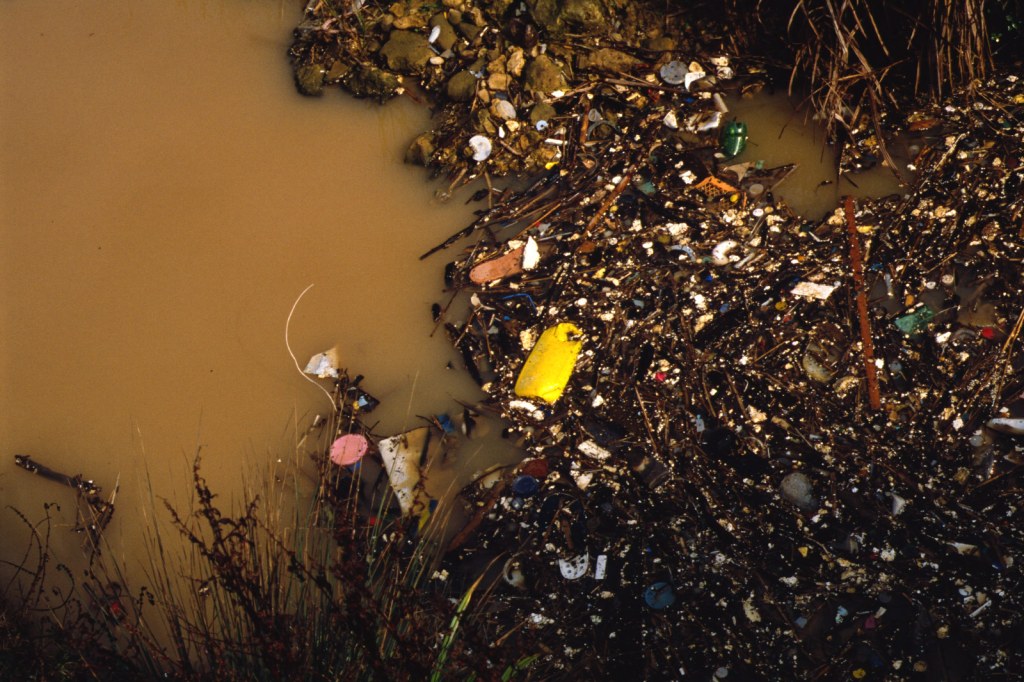
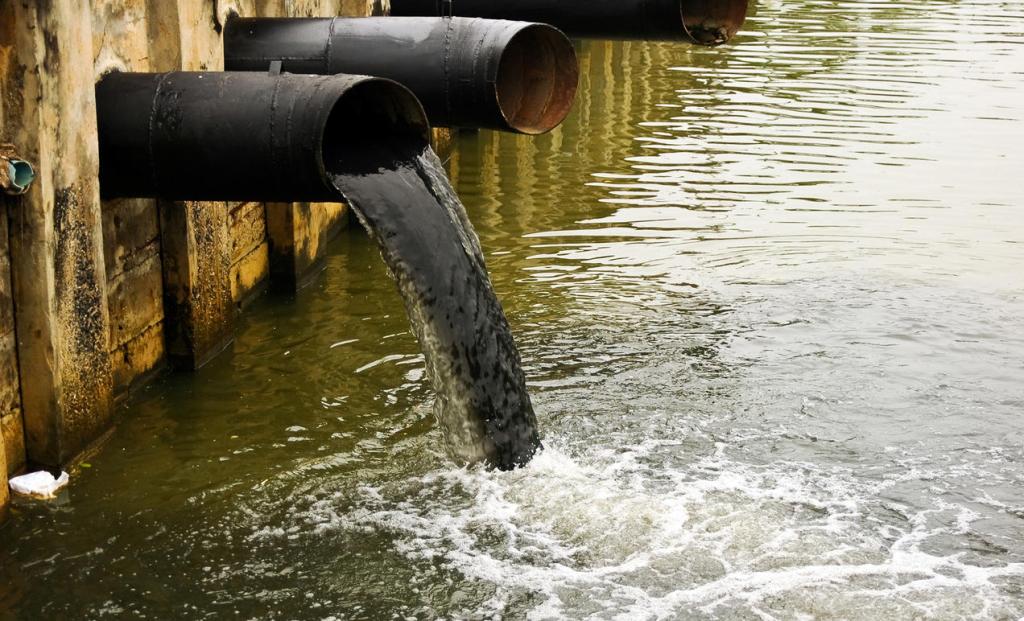
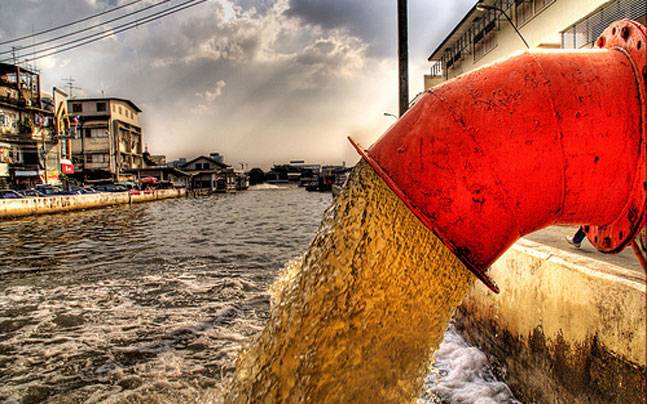
Water pollution is the contamination of water bodies, usually as a result of human activities. Water bodies include for example lakes, rivers, oceans, aquifers and groundwater. Water pollution results when contaminants are introduced into the natural environment. For example, releasing inadequately treated wastewater into natural water bodies can lead to degradation of aquatic ecosystems. In turn, this can lead to public health problems for people living downstream. They may use the same polluted river water for drinking or bathing or irrigation. Water pollution is the leading worldwide cause of death and disease, e.g. due to water-borne diseases.
What are the Effects of Water Pollution?
On human health
To put it bluntly: Water pollution kills. In fact, it caused 1.8 million deaths in 2015, according to a study published in The Lancet. Contaminated water can also make you ill. Every year, unsafe water sickens about 1 billion people. And low-income communities are disproportionately at risk because their homes are often closest to the most polluting industries.
Waterborne pathogens, in the form of disease-causing bacteria and viruses from human and animal waste, are a major cause of illness from contaminated drinking water. Diseases spread by unsafe water include cholera, giardia, and typhoid. Even in wealthy nations, accidental or illegal releases from sewage treatment facilities, as well as runoff from farms and urban areas, contribute harmful pathogens to waterways.
On the environment
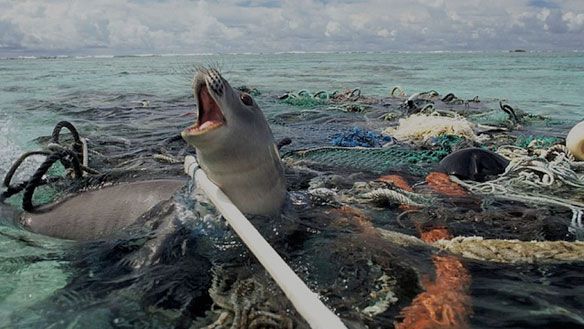
In order to thrive, healthy ecosystems rely on a complex web of animals, plants, bacteria, and fungi—all of which interact, directly or indirectly, with each other. Harm to any of these organisms can create a chain effect, imperiling entire aquatic environments.
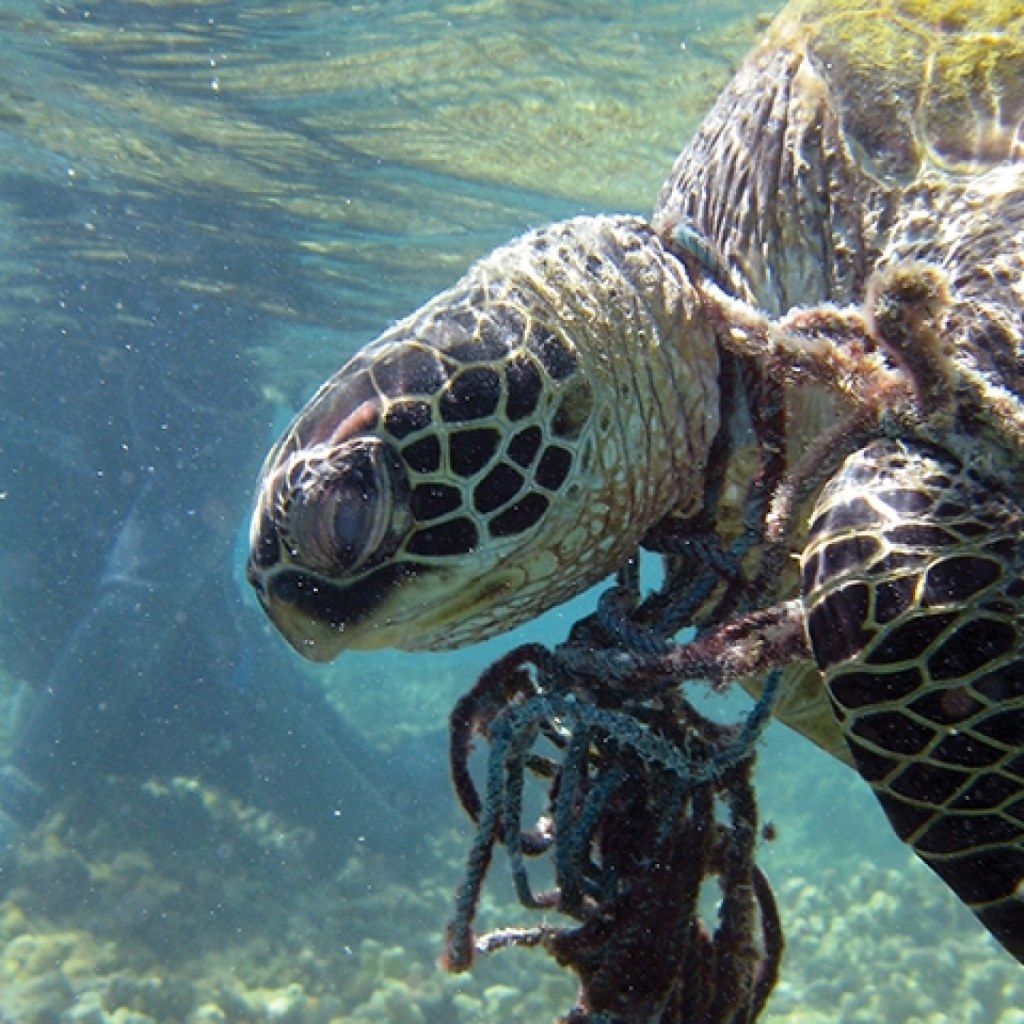
When water pollution causes an algal bloom in a lake or marine environment, the proliferation of newly introduced nutrients stimulates plant and algae growth, which in turn reduces oxygen levels in the water. This dearth of oxygen, known as eutrophication, suffocates plants and animals and can create “dead zones,” where waters are essentially devoid of life. In certain cases, these harmful algal blooms can also produce neurotoxins that affect wildlife, from whales to sea turtles.
What are the most common types of water contamination?
Sewage and wastewater
Used water is wastewater. It comes from our sinks, showers, and toilets (think sewage) and from commercial, industrial, and agricultural activities (think metals, solvents, and toxic sludge). The term also includes stormwater runoff, which occurs when rainfall carries road salts, oil, grease, chemicals, and debris from impermeable surfaces into our waterways
More than 80 percent of the world’s wastewater flows back into the environment without being treated or reused, according to the United Nations; in some least-developed countries, the figure tops 95 percent. In the United States, wastewater treatment facilities process about 34 billion gallons of wastewater per day. These facilities reduce the amount of pollutants such as pathogens, phosphorus, and nitrogen in sewage, as well as heavy metals and toxic chemicals in industrial waste, before discharging the treated waters back into waterways. That’s when all goes well. But according to EPA estimates, our nation’s aging and easily overwhelmed sewage treatment systems also release more than 850 billion gallons of untreated wastewater each year.
Oil pollution
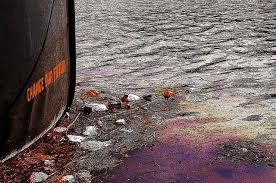
Big spills may dominate headlines, but consumers account for the vast majority of oil pollution in our seas, including oil and gasoline that drips from millions of cars and trucks every day. Moreover, nearly half of the estimated 1 million tons of oil that makes its way into marine environments each year comes not from tanker spills but from land-based sources such as factories, farms, and cities. At sea, tanker spills account for about 10 percent of the oil in waters around the world, while regular operations of the shipping industry—through both legal and illegal discharges—contribute about one-third. Oil is also naturally released from under the ocean floor through fractures known as seeps
What Can You Do to Prevent Water Pollution?
With your actions
It’s easy to tsk-tsk the oil company with a leaking tanker, but we’re all accountable to some degree for today’s water pollution problem. Fortunately, there are some simple ways you can prevent water contamination or at least limit your contribution to it:
One of the most effective ways to stand up for our waters is to speak out in support of the Clean Water Rule, which clarifies the Clean Water Act’s scope and protects the drinking water of one in three Americans.
Tell the federal government, the U.S. Army Corps of Engineers, and your local elected officials that you support the Clean Water Rule. Also, learn how you and those around you can get involved in the policymaking process. Our public waterways serve every American. We should all have a say in how they’re protected.





 Issues Of The Environment