What is Air Pollution?
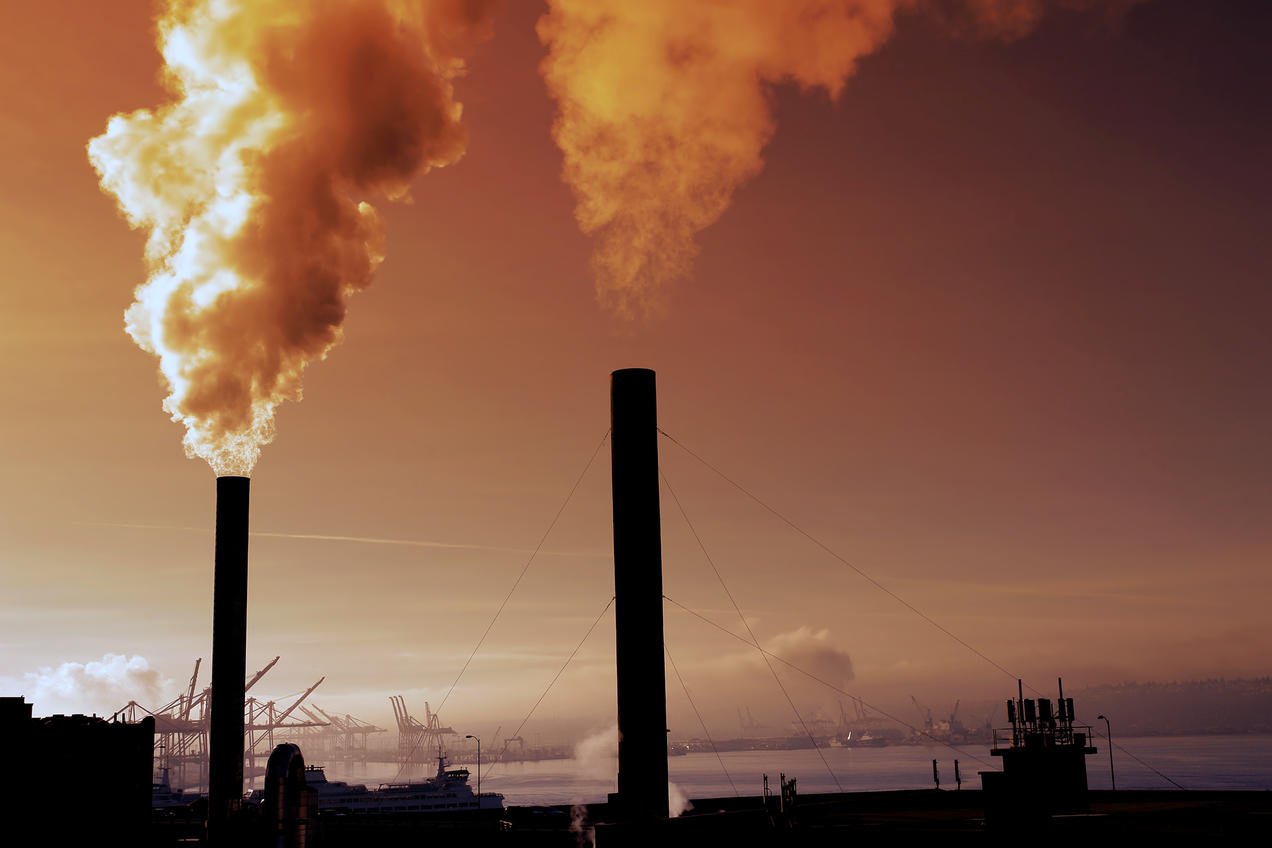
Air pollution is a mixture of solid particles and gases in the air. Car emissions, chemicals from factories, dust, pollen and mold spores may be suspended as particles. Ozone, a gas, is a major part of air pollution in cities. When ozone forms air pollution, it’s also called smog.
Some air pollutants are poisonous. Inhaling them can increase the chance you’ll have health problems. People with heart or lung disease, older adults and children are at greater risk from air pollution. Air pollution isn’t just outside – the air inside buildings can also be polluted and affect your health.
Air pollution refers to the release of pollutants into the air that are detrimental to human health and the planet as a whole.
The Clean Air Act authorizes the U.S. Environmental Protection Agency (EPA) to protect public health by regulating the emissions of these harmful air pollutants. The NRDC has been a leading authority on this law since it was established in 1970.
What Causes Air Pollution?
“Most air pollution comes from energy use and production,” says John Walke, director of the Clean Air Project, part of the Climate and Clean Air program at NRDC. “Burning fossil fuels releases gases and chemicals into the air.” And in an especially destructive feedback loop, air pollution not only contributes to climate change but is also exacerbated by it. “Air pollution in the form of carbon dioxide and methane raises the earth’s temperature,” Walke says. “Another type of air pollution is then worsened by that increased heat: Smog forms when the weather is warmer and there’s more ultraviolet radiation.” Climate change also increases the production of allergenic air pollutants including mold (thanks to damp conditions caused by extreme weather and increased flooding) and pollen (due to a longer pollen season and more pollen production).
What are the effects of air pollution?
Encyclopedic entry. Air pollution consists of chemicals or particles in the air that can harm the health of humans, animals, and plants. It also damages buildings.
A variety of air pollutants have known or suspected harmful effects on human health and the environment. In most areas of Europe, these pollutants are principally the products of combustion from space heating, power generation or from motor vehicle traffic. Pollutants from these sources may not only prove a problem in the immediate vicinity of these sources but can travel long distances.
“While we’ve made progress over the last 40-plus years improving air quality in the U.S. thanks to the Clean Air Act, climate change will make it harder in the future to meet pollution standards, which are designed to protect health,” says Kim Knowlton, senior scientist and deputy director of the NRDC Science Center.
SMOG AND SOOT
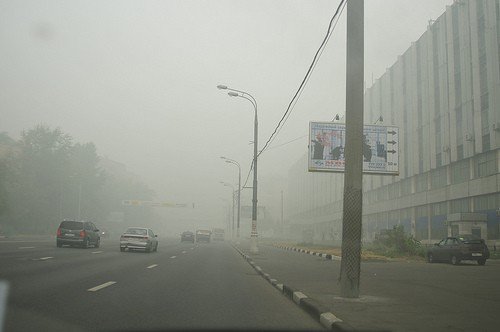
These two are the most prevalent types of air pollution. Smog, or “ground-level ozone,” as it is more wonkily called, occurs when emissions from combusting fossil fuels react with sunlight. Soot, or “particulate matter,” is made up of tiny particles of chemicals, soil, smoke, dust, or allergens, in the form of gas or solids, that are carried in the air. The EPA’s “Plain English Guide to the Clean Air Act” states, “In many parts of the United States, pollution has reduced the distance and clarity of what we see by 70 percent.” The sources of smog and soot are similar. “Both come from cars and trucks, factories, power plants, incinerators, engines—anything that combusts fossil fuels such as coal, gas, or natural gas,” Walke says. The tiniest airborne particles in soot—whether they’re in the form of gas or solids—are especially dangerous because they can penetrate the lungs and bloodstream and worsen bronchitis, lead to heart attacks, and even hasten death.
Smog can irritate the eyes and throat and also damage the lungs—especially of people who work or exercise outside, children, and senior citizens. It’s even worse for people who have asthma or allergies—these extra pollutants only intensify their symptoms and can trigger asthma attacks.
Hazardous air pollutants
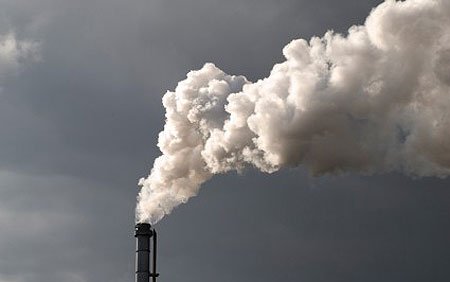
These are either deadly or have severe health risks even in small amounts. Almost 200 are regulated by law; some of the most common are mercury, lead, dioxins, and benzene. “These are also most often emitted during gas or coal combustion, incinerating, or in the case of benzene, found in gasoline,” Walke says. Benzene, classified as a carcinogen by the EPA, can cause eye, skin, and lung irritation in the short term and blood disorders in the long term. Dioxins, more typically found in food but also present in small amounts in the air, can affect the liver in the short term and harm the immune, nervous, and endocrine systems, as well as reproductive functions. Lead in large amounts can damage children’s brains and kidneys, and even in small amounts it can affect children’s IQ and ability to learn. Mercury affects the central nervous system.
Polycyclic aromatic hydrocarbons, or PAHs, are toxic components of traffic exhaust and wildfire smoke. In large amounts, they have been linked to eye and lung irritation, blood and liver issues, and even cancer. In one recent study, the children of mothers who’d had higher PAH exposure during pregnancy had slower brain processing speeds and worse symptoms of ADHD.
Greenhouse gases
By trapping the earth’s heat in the atmosphere, greenhouse gases lead to warmer temperatures and all the hallmarks of climate change: rising sea levels, more extreme weather, heat-related deaths, and increasing transmission of infectious diseases like Lyme. According to a 2014 EPA study, carbon dioxide was responsible for 81 percent of the country’s total greenhouse gas emissions, and methane made up 11 percent. “Carbon dioxide comes from combusting fossil fuels, and methane comes from natural and industrial sources, including the large amounts that are released during oil and gas drilling,” Walke says. “We emit far larger amounts of carbon dioxide, but methane is significantly more potent, so it’s also very destructive.” Another class of greenhouse gases, hydrofluorocarbons (HFCs), are thousands of times more powerful than carbon dioxide in their ability to trap heat. In October 2016, more than 140 countries reached an agreement to reduce the use of these chemicals—which are used in air conditioners and refrigerators—and find greener alternatives over time. David Doniger, director of NRDC’s Climate and Clean Air program, writes, “NRDC estimates that the agreed HFC phase-down will avoid the equivalent of more than 80 billion tons of CO2 over the next 35 years.”
Pollen and mold
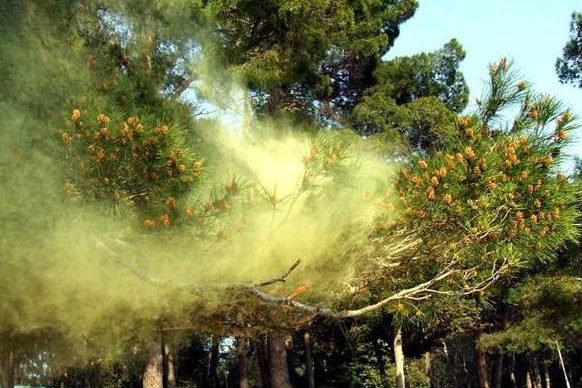
Mold and allergens from trees, weeds, and grass are also carried in the air, are exacerbated by climate change, and can be hazardous to health. They are not regulated by the government and are less directly connected to human actions, but they can be considered air pollution. “When homes, schools, or businesses get water damage, mold can grow and can produce allergenic airborne pollutants,” Knowlton says. “Mold exposure can precipitate asthma attacks or an allergic response, and some molds can even produce toxins that would be dangerous for anyone to inhale.”
Pollen allergies are worsening because of climate change. “Lab and field studies are showing that the more carbon dioxide pollen-producing plants—especially ragweed—are grown in, the bigger they grow and the more pollen they produce,” Knowlton says. “Climate change also extends the pollen production season, and some studies are beginning to suggest that ragweed pollen itself might be becoming a more potent allergen.” That means more people will suffer runny noses, fevers, itchy eyes, and other symptoms.
How to Help Reduce Air Pollution
“The less gasoline we burn, the better we’re doing to reduce air pollution and harmful effects of climate change,” Walke says. “Make good choices about transportation. When you can, walk, ride a bike, or take public transportation. For driving, choose cars that get better miles per gallon of gas or choose an electric car.” You can also investigate your power provider options—you may be able to request that your electricity be supplied by wind or solar. Buying your food locally cuts down on the fossil fuels burned in trucking or flying food in from across the country. And perhaps most important, “Support leaders who push for clean air and water and responsible steps on climate change,” Walke says.
How to prevent Air Pollution in your home?
17 Simple Ways to Prevent Air Pollution in Your Home
When you think of air pollution, you most likely don’t conjure up images of the inside of your home or office. But because we spend so much time indoors — especially in colder weather — keeping the air quality as clean as possible in your home, car and workplace is important for your health.
And, unfortunately, we bring most of those pollutants indoors ourselves.
Cigarette smoke
Experts say that one of the most common indoor air pollutants is cigarette smoke.
“The residual gas and particles from cigarette smoke that settle … [do] pose health hazards, particularly in rooms with a lot of fabric or carpeting,” says pulmonologist Sumita Khatri, MD.
She says the risks are disproportionately high in children, who are more likely to be playing on the ground, and in people with chronic heart and lung problems.
“We all have heard of second-hand smoke; this is called third-hand smoke.”
Household cleaners
Household cleaning supplies are another common cause of indoor pollution. Harsh chemicals that give off fumes can irritate your nose, mouth and lungs, as well as your skin.
“Those with sensitive lungs and upper airways, like people with asthma and chronic sinusitis, may notice their symptoms getting worse,” Dr. Khatri says.
The fumes can cause inflammation that can make it more difficult for people with chronic lung conditions to heal from infections. It can also worsen inflammation due to other triggers, such as allergies.
Dr. Khatri recommends using natural cleaning supplies and elbow grease to minimize risks.
Other indoor pollutants that exacerbate asthma or other chronic lung conditions include:
- Particulates from candles and incense
- Irritating perfumes
- Odors from harsh household cleaners
- Craft and office supplies, such as paints, glues and toner ink
- Fumes from dry cleaned garments (many solvents used are carcinogenic)
- Allergens, such as mold, pollen, pet dander and dust mites
- Wood-burning fireplaces or stoves
- Improper ventilation in homes (can increase levels of radon and carbon monoxide gas
- Gas stoves that are not not well ventilated with hoods to outside (can increase exposure to nitrogen dioxide (NO2), carbon monoxide and formaldehyde)
- Materials used in older buildings such as asbestos, formaldehyde and lead
Illnesses caused by indoor air pollution
Indoor air pollution can increase a person’s chances of having flares of chronic lung problems, such as asthma or chronic obstructive pulmonary disease (COPD).
There are also likely longer-term effects from ongoing exposure that are more difficult to measure, such as the likelihood of lung cancer from radon exposure, as well as secondhand and thirdhand smoke.
“In addition to worsening the symptoms of asthma and other chronic respiratory problems, indoor air pollution can also cause irritation of the nose, throat, eyes and lungs,” Dr. Khatri says.
Role of ventilation, air filters
Although opening windows helps ventilate your home, car or office, that’s not always possible due to allergies or extreme temperatures.
Consider using air filters and getting your HVAC (heating, ventilation and air conditioning systems) checked regularly.
Also, air purifiers and aromatherapy can often make air quality worse unless they are the the right kind, Dr. Khatri says. They need to be HEPA (high-efficiency particulate arresting) air filters.
How to cut down your risk
Fortunately, there are ways you can minimize air pollution in your home, car or at work, Dr. Khatri says.
Here are some simple steps you can take:
- Avoid smoking indoors (quitting smoking is the best answer for overall health)
- Use craft supplies in well-ventilated areas
- Make sure your gas stove is well-ventilated
- Minimize clutter
- Remove carpeting if possible
- Use a dehumidifier and/or air conditioner to reduce moisture
- Keep trash covered to avoid attracting pests
- Remove shoes at the door
- Have car emissions tested regularly
- Minimize air freshener use
- Test your home for radon
- Use carbon monoxide detectors
- Fix water leaks
- Dust surfaces and vacuum frequently
- Wash bedding weekly in hot water
- Make sure exhaust fans are functioning in your bathrooms and kitchen
- Keep a lid on scented candles
Taking some simple precautions can help boost air quality in your home and improve your health.
REFERENCES:
https://medlineplus.gov/airpollution.html
https://uk-air.defra.gov.uk/air-pollution/effects
https://www.nrdc.org/stories/air-pollution-everything-you-need-know#sec1
https://www.who.int/health-topics/air-pollution#tab=tab_1
17 Simple Ways to Prevent Air Pollution in Your Home
POSTED BY:
ERA AMARILLO
12 HUMILITY GROUP 8
 Issues Of The Environment