

What is Water Pollution?
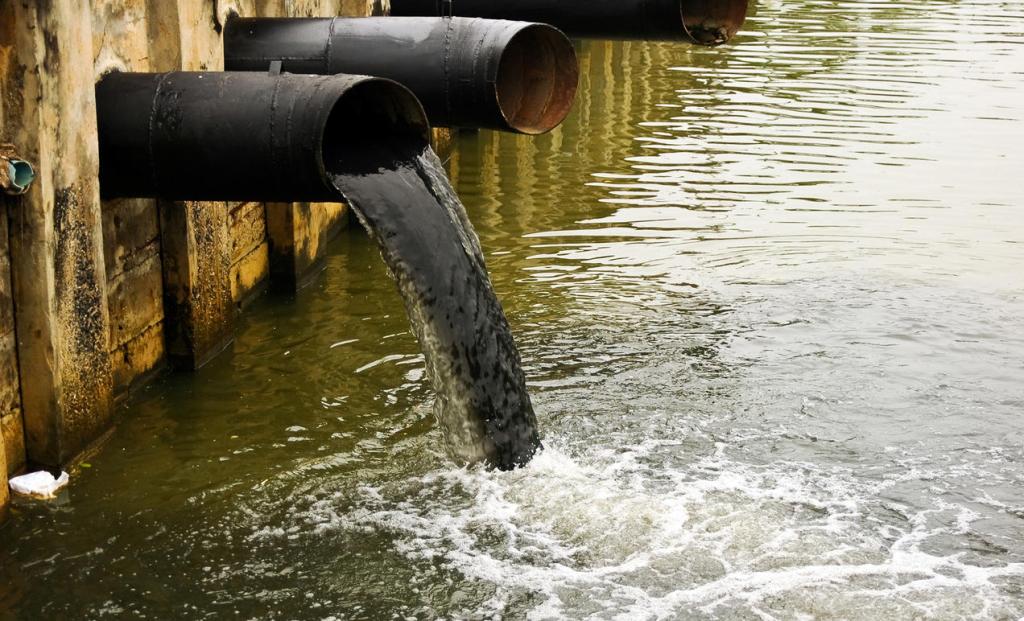
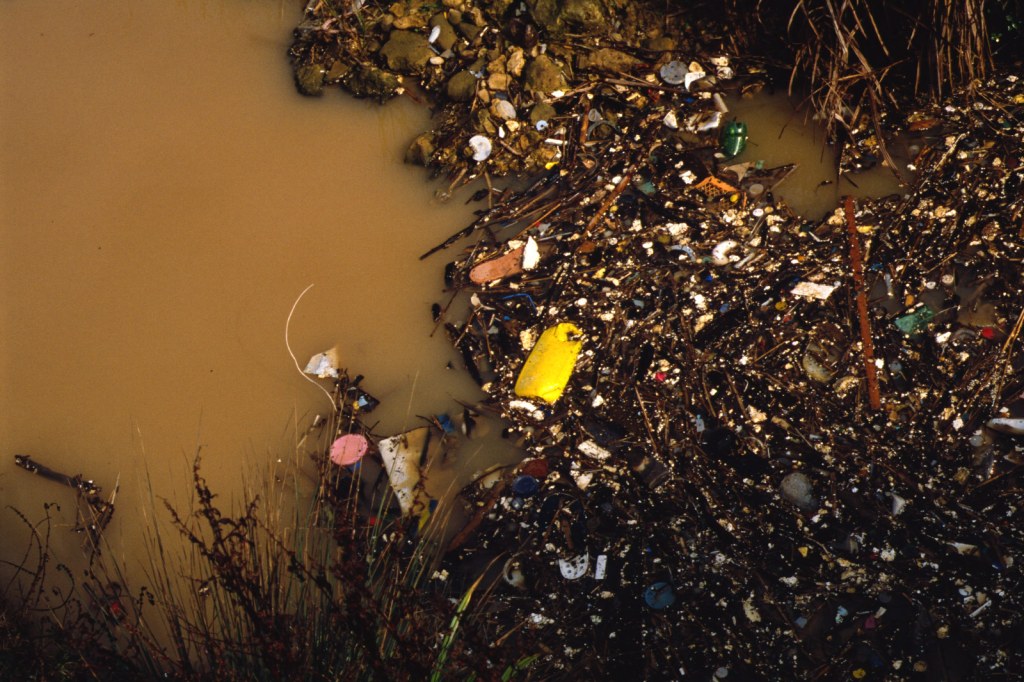
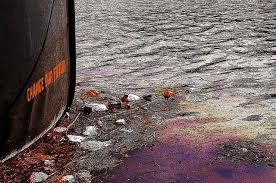
Water pollution is the contamination of water bodies, usually as a result of human activities. Water bodies include for example lakes, rivers, oceans, aquifers and groundwater. Water pollution results when contaminants are introduced into the natural environment. For example, releasing inadequately treated wastewater into natural water bodies can lead to degradation of aquatic ecosystems. In turn, this can lead to public health problems for people living downstream. They may use the same polluted river water for drinking or bathing or irrigation. Water pollution is the leading worldwide cause of death and disease, e.g. due to water-borne diseases.
What are the Effects of Water Pollution?
On human health
To put it bluntly: Water pollution kills. In fact, it caused 1.8 million deaths in 2015, according to a study published in The Lancet. Contaminated water can also make you ill. Every year, unsafe water sickens about 1 billion people. And low-income communities are disproportionately at risk because their homes are often closest to the most polluting industries.

Waterborne pathogens, in the form of disease-causing bacteria and viruses from human and animal waste, are a major cause of illness from contaminated drinking water. Diseases spread by unsafe water include cholera, giardia, and typhoid. Even in wealthy nations, accidental or illegal releases from sewage treatment facilities, as well as runoff from farms and urban areas, contribute harmful pathogens to waterways.
On the environment
In order to thrive, healthy ecosystems rely on a complex web of animals, plants, bacteria, and fungi—all of which interact, directly or indirectly, with each other. Harm to any of these organisms can create a chain effect, imperiling entire aquatic environments.

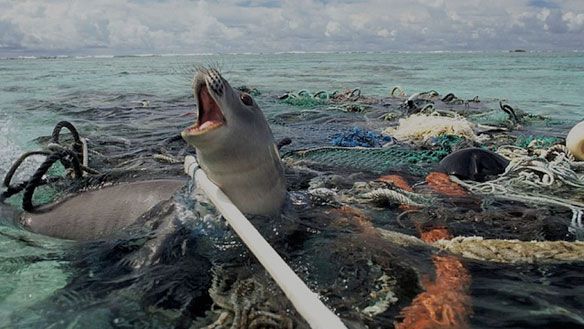
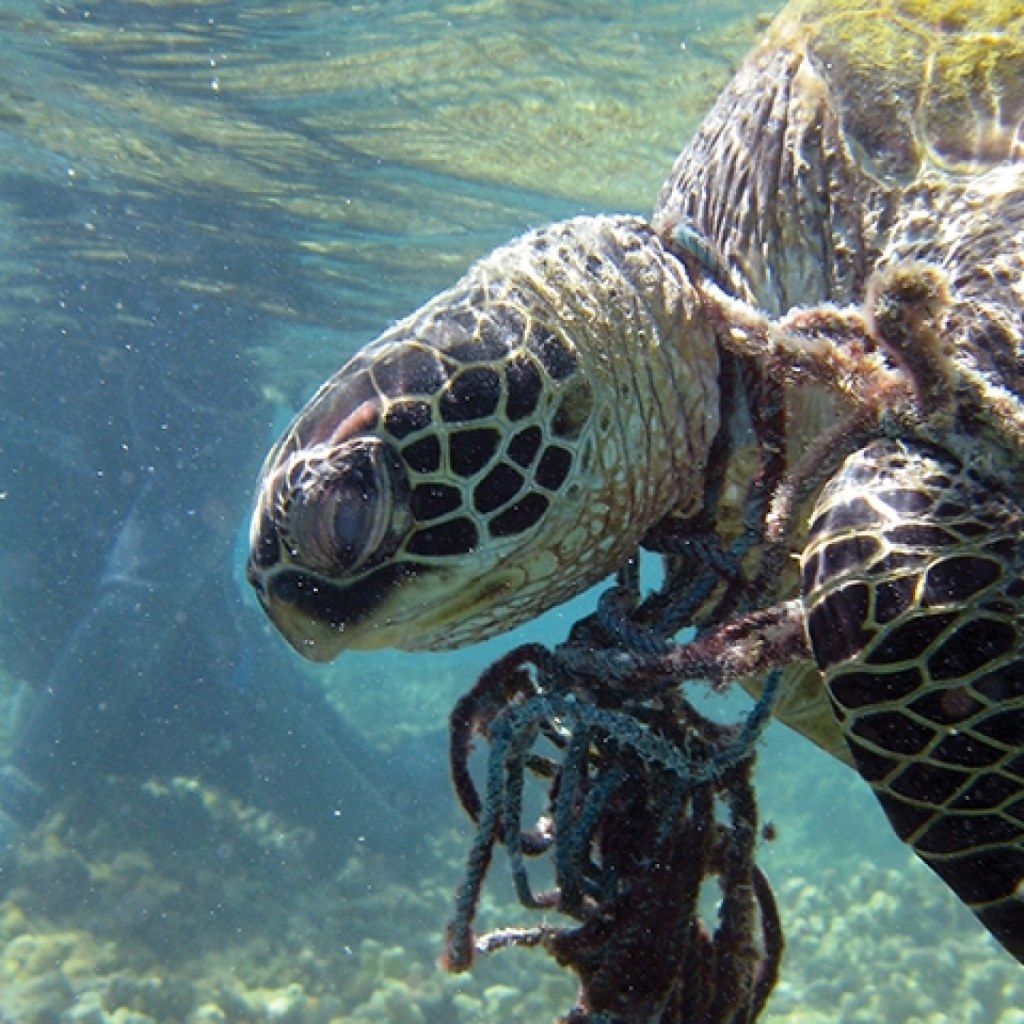
When water pollution causes an algal bloom in a lake or marine environment, the proliferation of newly introduced nutrients stimulates plant and algae growth, which in turn reduces oxygen levels in the water. This dearth of oxygen, known as eutrophication, suffocates plants and animals and can create “dead zones,” where waters are essentially devoid of life. In certain cases, these harmful algal blooms can also produce neurotoxins that affect wildlife, from whales to sea turtles.
What are the most common types of water contamination?
Sewage and wastewater
Used water is wastewater. It comes from our sinks, showers, and toilets (think sewage) and from commercial, industrial, and agricultural activities (think metals, solvents, and toxic sludge). The term also includes stormwater runoff, which occurs when rainfall carries road salts, oil, grease, chemicals, and debris from impermeable surfaces into our waterways
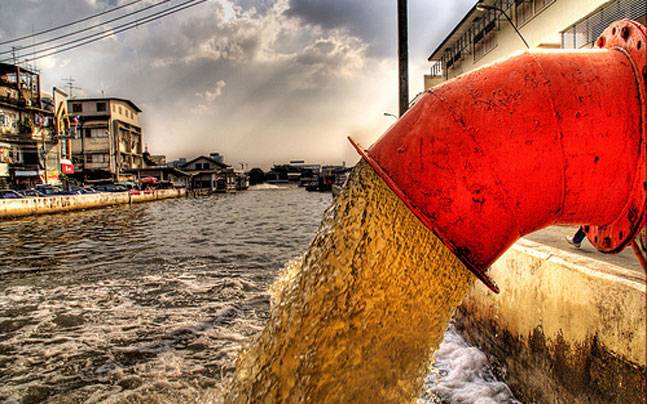
More than 80 percent of the world’s wastewater flows back into the environment without being treated or reused, according to the United Nations; in some least-developed countries, the figure tops 95 percent. In the United States, wastewater treatment facilities process about 34 billion gallons of wastewater per day. These facilities reduce the amount of pollutants such as pathogens, phosphorus, and nitrogen in sewage, as well as heavy metals and toxic chemicals in industrial waste, before discharging the treated waters back into waterways. That’s when all goes well. But according to EPA estimates, our nation’s aging and easily overwhelmed sewage treatment systems also release more than 850 billion gallons of untreated wastewater each year.
Oil pollution
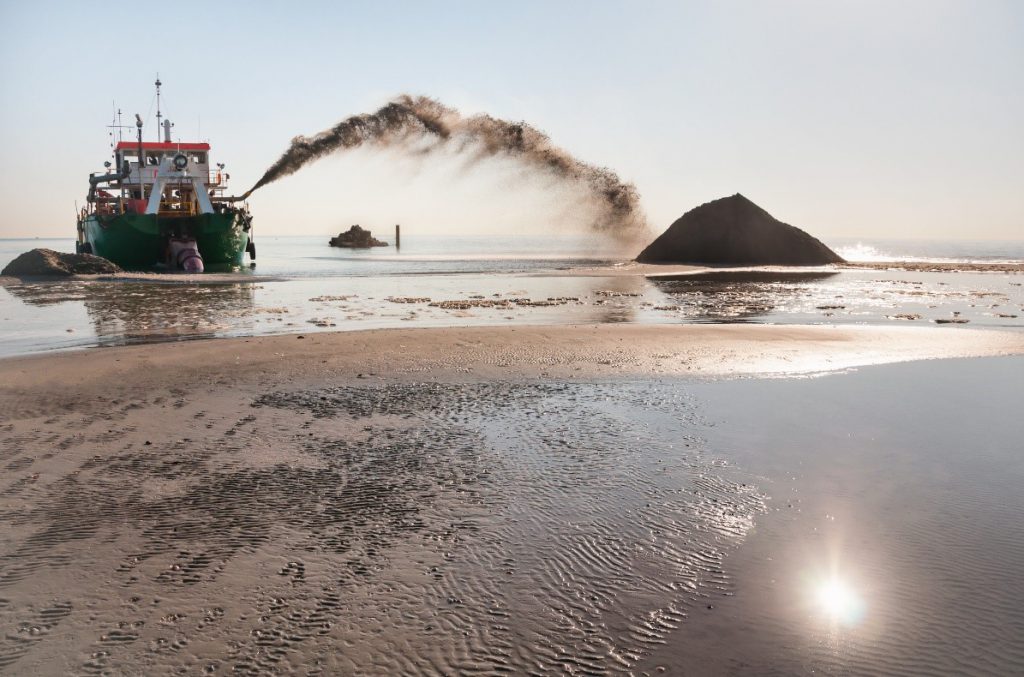
Big spills may dominate headlines, but consumers account for the vast majority of oil pollution in our seas, including oil and gasoline that drips from millions of cars and trucks every day. Moreover, nearly half of the estimated 1 million tons of oil that makes its way into marine environments each year comes not from tanker spills but from land-based sources such as factories, farms, and cities. At sea, tanker spills account for about 10 percent of the oil in waters around the world, while regular operations of the shipping industry—through both legal and illegal discharges—contribute about one-third. Oil is also naturally released from under the ocean floor through fractures known as seeps
What Can You Do to Prevent Water Pollution?
With your actions
It’s easy to tsk-tsk the oil company with a leaking tanker, but we’re all accountable to some degree for today’s water pollution problem. Fortunately, there are some simple ways you can prevent water contamination or at least limit your contribution to it:
- Reduce your plastic consumption and reuse or recycle plastic when you can.
- Properly dispose of chemical cleaners, oils, and non-biodegradable items to keep them from ending up down the drain.
- Maintain your car so it doesn’t leak oil, antifreeze, or coolant.
- If you have a yard, consider landscaping that reduces runoff and avoid applying pesticides and herbicides.
- If you have a pup, be sure to pick up its poop.
With your voice
One of the most effective ways to stand up for our waters is to speak out in support of the Clean Water Rule, which clarifies the Clean Water Act’s scope and protects the drinking water of one in three Americans.
Tell the federal government, the U.S. Army Corps of Engineers, and your local elected officials that you support the Clean Water Rule. Also, learn how you and those around you can get involved in the policymaking process. Our public waterways serve every American. We should all have a say in how they’re protected.
REFERENCES:
- https://en.wikipedia.org/wiki/Water_pollution
- https://www.nrdc.org/stories/water-pollution-everything-you-need-know
- https://www.google.com/url?sa=i&url=https%3A%2F%2Fplastic-pollution.org%2F&psig=AOvVaw1hMo3w56p39ZKV4rxS3JN2&ust=1581313849149000&source=images&cd=vfe&ved=0CAIQjRxqFwoTCPCY6bHlw-cCFQAAAAAdAAAAABAD
- https://www.google.com/url?sa=i&url=https%3A%2F%2Fivy-watersystemonearth.weebly.com%2Fone-world-essay–the-water-pollution-in-china.html&psig=AOvVaw1K9heNjWMTtlazOSMb_NYR&ust=1581312663431000&source=images&cd=vfe&ved=0CAIQjRxqFwoTCPjykaXjw-cCFQAAAAAdAAAAABAD
- https://www.google.com/url?sa=i&url=https%3A%2F%2Fwww.indiatoday.in%2Feducation-today%2Fgk-current-affairs%2Fstory%2Fsewage-and-waste-water-policy-333272-2016-08-04&psig=AOvVaw3XillxzPcHB_t5aFbPDHMr&ust=1581313643829000&source=images&cd=vfe&ved=0CAIQjRxqFwoTCKCiuP7nw-cCFQAAAAAdAAAAABAD
- https://www.google.com/url?sa=i&url=https%3A%2F%2Fwww.dredgingtoday.com%2F2018%2F04%2F09%2Fthe-consequences-of-oil-pollution-from-ships%2F&psig=AOvVaw3PCFaah7mqmcCt1t0_y42Z&ust=1581313915322000&source=images&cd=vfe&ved=0CAIQjRxqFwoTCLj65Y7ow-cCFQAAAAAdAAAAABAD
- https://www.google.com/url?sa=i&url=https%3A%2F%2Feducationguruz.com%2Feffects-of-water-pollution%2F&psig=AOvVaw1hMo3w56p39ZKV4rxS3JN2&ust=1581313849149000&source=images&cd=vfe&ved=0CAIQjRxqFwoTCPCY6bHlw-cCFQAAAAAdAAAAABAJ
- https://www.google.com/url?sa=i&url=https%3A%2F%2Fwww.nrdc.org%2Fstories%2Fwater-pollution-everything-you-need-know&psig=AOvVaw0nP8bb_4w4W7Z7cpM6Uset&ust=1581309767661000&source=images&cd=vfe&ved=0CAIQjRxqFwoTCNCCkKrjw-cCFQAAAAAdAAAAABAR
POSTED BY:
PHILIP ANTHONY A. ALCONABA
12-HUMILITY GROUP 8
 Issues Of The Environment